Foundation Waterproofing NJ Solutions for Cracked Foundation Walls
@conneradkm012
November 17, 2026 · 15 min read
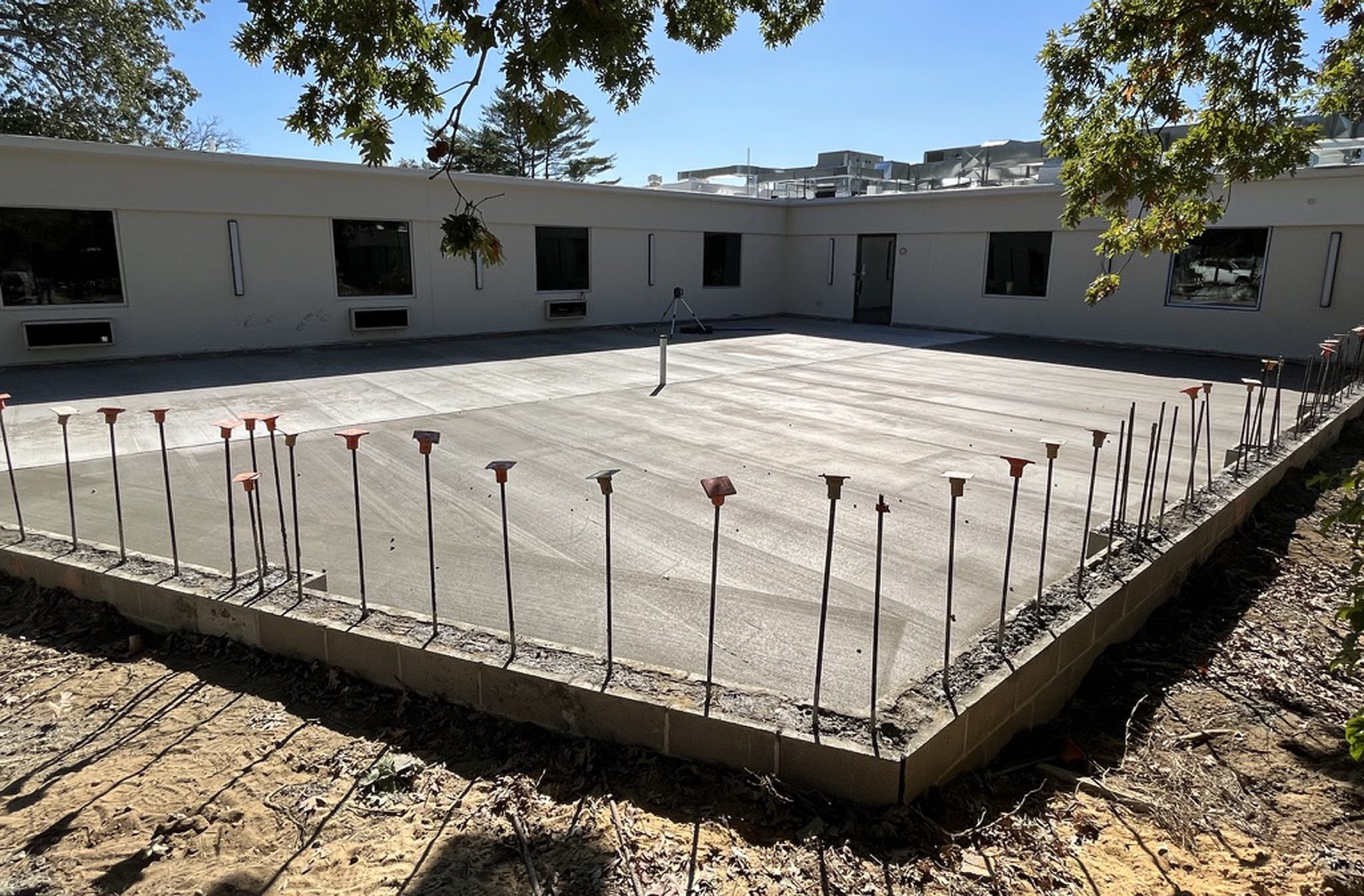
Cracked foundation walls make homeowners uneasy for good reason. A crack in concrete or block is never something to ignore, especially in New Jersey, where heavy rain, clay-rich soils, freeze-thaw cycles, and aging housing stock all put steady pressure on below-grade walls. Some cracks are mostly cosmetic. Others are early warnings of water intrusion, structural movement, or both. The challenge is knowing which is which, and choosing a repair approach that actually fits the cause.
After years of seeing wet basements, bowed block walls, and repeated patch jobs that failed after one hard storm, one pattern stands out. Most foundation problems are not solved by a tube of sealant and a weekend of optimism. They are solved by diagnosing where the pressure is coming from, how water is traveling, and whether the wall is still stable enough to repair without structural reinforcement.
That is where good Foundation Waterproofing NJ work separates itself from surface-level fixes. The goal is not simply to stop a visible drip. It is to manage hydrostatic pressure, protect the wall assembly, and keep the same crack from reopening six months later.
Why cracked foundation walls are so common in New Jersey
New Jersey has a mix of conditions that are hard on foundations. In many neighborhoods, homes sit on soils that swell when wet and shrink when dry. That movement puts stress on basement walls and footings over time. In older towns, you also see homes built decades ago with masonry block foundations, minimal exterior drainage, or waterproofing methods that were acceptable then but are unreliable now.
Add in intense summer downpours, snowmelt in late winter, and clogged or undersized gutters, and water starts collecting exactly where it should not, right beside the foundation. Once soil becomes saturated, it gets heavy. That weight presses laterally against the wall. At the same time, water seeks any path inward, whether that is through a hairline shrinkage crack, a failed tie rod hole, or the porous face of a cinder block wall.
A homeowner often notices the symptom before the cause. It might be a faint damp line after a storm, peeling paint on a basement wall, white mineral staining, or a musty smell that lingers year-round. By the time visible water appears, the wall has usually been under stress for a while.
Not all cracks mean the same thing
One of the biggest mistakes in foundation repair is treating every crack as if it has the same source and severity. It does not. A vertical crack in poured concrete usually tells a different story than a stair-step crack in block. A crack that has stayed the same width for five years is different from one that grew noticeably between seasons.
Vertical cracks in poured concrete walls often come from shrinkage or minor settlement. These are common and can often be repaired effectively if there is no sign of active displacement. Water still matters here, because even a narrow crack can leak under pressure.
Horizontal cracks deserve more caution. In many cases, they indicate lateral soil pressure pushing against the wall. In block foundations, this can go hand in hand with bowing, shearing, or inward movement. A horizontal crack near the center of a wall is often more concerning than a random hairline near a corner.
Diagonal cracks can point to uneven settlement. Stair-step cracks in masonry joints typically suggest movement through a block or brick foundation rather than simple concrete shrinkage. If doors upstairs start sticking, floors slope more noticeably, or cracks continue through interior finishes above the basement, it is time to think beyond waterproofing alone.
That distinction matters because waterproofing handles water, while structural repair addresses load and movement. Sometimes you need one. Sometimes you need both.
What water is really doing behind the wall
Homeowners often focus on the opening they can see. Professionals look at the pressure they cannot.
Water around a foundation is rarely static. After a storm, soil beside the house absorbs runoff from the roof, the yard, neighboring properties, and sometimes uphill grades. As the ground saturates, the water exerts hydrostatic pressure against the foundation wall. Concrete and masonry are strong in compression, but they are not impervious membranes. Water can move through pores, joints, cold seams, and cracks.
That pressure explains why many interior patch jobs fail. If you smear hydraulic cement over the inside face of a crack without addressing exterior drainage or pressure relief, you may stop a drip temporarily. The water still has to go somewhere. Often it simply finds the next weak spot.
I have seen basements where three old crack patches lined up across one wall like a repair timeline. Each patch held for a season or two, then a new leak appeared six feet away. The wall was telling the same story over and over. It was not just a crack problem. It was a water-management problem.
The first step is diagnosis, not product selection
Homeowners are often sold solutions too quickly. One company pushes epoxy injection. Another insists on an interior drain. A third recommends excavation before anyone has even checked grading or downspout discharge. Good judgment starts with a careful site review.
A proper evaluation usually includes the visible crack pattern, wall material, signs of movement, moisture history, and exterior conditions around the home. Roof drainage matters. So does slope. So do patios, walkways, window wells, and whether the house sits low compared with neighboring lots. On older homes, previous repairs also matter because they can mask active problems or redirect water in odd ways.
Here are the questions that tend to produce the clearest answers:
- Is the wall leaking, moving, or both?
- Is the crack stable, or is it widening seasonally or over time?
- Where is the water coming from during storms or snowmelt?
- Does the home need pressure relief, crack sealing, structural reinforcement, or a combination?
- Are exterior drainage flaws making every repair work harder than it should?
Those questions sound simple, but they prevent expensive missteps. A stable vertical crack in poured concrete may be handled very differently from a bowing block wall with repeated seepage after every rain.
Interior crack injection, where it works and where it falls short
For many poured concrete foundations, interior crack injection is a sound repair. Polyurethane injection is commonly used when the main goal is stopping active water seepage because it expands and fills irregular voids. Epoxy injection is more often chosen when structural bonding of the concrete across the crack is important, assuming the wall is dry enough and movement has stabilized.
When done properly, injection is not just smearing material over the surface. The crack is prepared, ports are installed, and the resin is injected under controlled pressure so it penetrates through the wall thickness. On the right crack, this can be durable and cost-effective.
The limits matter, though. Injection does not solve an exterior drainage problem. It does not relieve hydrostatic pressure. It does not correct a wall that is bowing inward. It is also less reliable on some masonry block walls, where internal voids and irregular pathways make a clean seal more difficult.
This is why crack injection is best thought of as one tool, not the entire toolbox.
Exterior waterproofing, when you need to stop the problem at the source
If a foundation wall is taking on water because the exterior membrane has failed, the footing drain is compromised, or the soil stays saturated against the house, exterior waterproofing is often the more complete fix. It is also more disruptive and expensive, so it should be chosen for the right reasons.
An exterior waterproofing project usually involves excavating down to the footing along the affected wall, exposing the foundation, cleaning the surface, repairing cracks or voids, applying a waterproof membrane, and installing a drainage board or protective layer. In many cases, the footing drain is repaired or replaced at the same time. Backfill selection and compaction matter more than most homeowners realize, because poor backfill can trap water or settle later.
On some homes, especially those with severe seepage through wall joints or widespread deterioration of old coatings, exterior work is the closest thing to a reset. It addresses water before it enters the wall assembly. That is a major advantage.
The trade-off is cost, access, and disturbance. Excavation near decks, walkways, landscaping, porches, and utilities can complicate the work. Tight lot lines are common in parts of New Jersey, and not every wall is equally accessible. Sometimes the best practical result comes from combining selective exterior work with interior drainage measures.
Interior drainage systems are not a shortcut if they are used correctly
Some homeowners hear "interior drainage system" and assume it means someone is avoiding the real issue. That is not always fair. In many basements, especially where full exterior excavation is impractical, an interior perimeter drain with a reliable sump system is a legitimate way to manage groundwater and hydrostatic pressure beneath the slab.
This approach does not make the outside soil dry. What it does is intercept water at the basement perimeter and direct it to a sump pit for discharge before it rises onto the floor or through wall-floor joints. In block wall foundations, some systems are designed to drain water from the wall cavities as well.
Done well, this can transform a wet basement into a usable, dry space. Done poorly, it creates a false sense of security. Pump capacity, discharge routing, battery backup, and regular maintenance all matter. In storm-prone areas, a sump without backup power is one outage away from failure at the worst possible moment.
Interior drainage also pairs well with other work. A leaking crack may still be injected. Grading and gutter improvements should still be made. Waterproofing succeeds when the system is thought through as a whole.
When structural reinforcement enters the picture
If the wall has moved, waterproofing alone is not enough. This is where homeowners can get into trouble by focusing only on the leak while ignoring the structural distress.
Bowing block walls, long horizontal cracks, inward displacement, or differential movement can require reinforcement such as carbon fiber straps, steel beams, or wall anchors. The appropriate option depends on how much the wall has deflected, whether movement is ongoing, and how much exterior space is available.
Carbon fiber is often used on walls that are cracked and beginning to bow but still within acceptable movement limits. It is low-profile and effective at resisting further inward movement when installed on a properly prepared wall. Steel beams can handle more severe conditions and are common when a wall needs stronger bracing. Wall anchors, where site conditions allow, can actively pull a wall back toward plumb or at least stabilize it against further movement.
No reputable contractor should sell Foundation Waterproofing NJ reinforcement without discussing water and drainage. Pressure caused the movement in the first place. If the pressure remains, the repair is carrying a burden it should not carry alone.
The outside details that quietly decide whether repairs hold
Some of the most important fixes on a wet foundation are also the least dramatic. They do not make for flashy sales photos, but they often decide whether a crack stays dry.
A downspout that dumps one foot from the house can saturate the same corner over and over. A negative grade along a side yard can funnel runoff against the wall every storm. Mulch piled too high can trap moisture against siding and the foundation transition. A clogged footing drain can turn moderate weather into a basement issue.
These site corrections are not glamorous, but they work. In fact, many Foundation Waterproofing NJ projects should begin with them, or at least include them. You cannot out-repair bad drainage indefinitely.
A modest example comes to mind. A homeowner had paid for two interior crack patches over four years. The leak kept returning in the same corner during heavy rain. The crack repair itself was not the real failure. The rear downspout was discharging beside a settled concrete walk that pitched water straight to the wall. Extending the discharge well away from the house and correcting the grade took pressure off the corner. After that, the wall finally had a fair chance to stay dry.
What to expect during a professional evaluation
A careful contractor will usually measure crack width, note crack pattern and location, inspect the wall for displacement, and examine the exterior grade and roof drainage. Moisture readings may be taken, though those are only one part of the picture. If there is concern about active structural movement, additional monitoring or engineering input may be warranted.
Homeowners should expect honest nuance, not a one-size-fits-all pitch. A trustworthy recommendation often sounds more specific and less dramatic than a sales script. It may include a crack injection on one wall, discharge extensions and grading improvements outside, and no major excavation because the evidence does not support it. Or it may say the wall needs reinforcement before any cosmetic basement finishing happens.
Be cautious of absolute promises that ignore context. No one should guarantee a permanent dry basement without discussing pump maintenance, storm intensity, utility outages, and the limits of the chosen system. Confidence is good. Oversimplification is not.
Practical signs that a crack needs prompt attention
Not every crack is an emergency, but some conditions should move up the priority list quickly.
If a crack leaks during most storms, if the wall is visibly bowing or tilting, if a horizontal crack runs long across a block wall, or if there is new displacement between one side of the crack and the other, the issue deserves prompt evaluation. Persistent dampness also carries a secondary cost that people underestimate. Once moisture becomes routine, basement air quality suffers, stored items are damaged, and mold growth becomes more likely on finishes and organic materials nearby.
A dry-looking crack can still be active. Fresh efflorescence, rust staining near embedded steel, or small piles of concrete dust at the crack line can all be clues. Homeowners who monitor a suspect crack often get useful information by photographing it every few months with a ruler or crack gauge in the frame.
Choosing between repair options without overbuying
The hardest part for many homeowners is not deciding whether the wall needs help. It is deciding how much help it needs.
A stable, isolated vertical crack in poured concrete may only need injection and drainage improvements. A block wall with seepage through multiple mortar joints may benefit more from an interior drainage system than repeated surface patching. A wall with measurable inward movement may need reinforcement first, then waterproofing measures to control the pressure causing the problem.
That is why the best decisions usually come from matching scope to evidence. More work is not always better. Less work is not always cheaper in the long run. The right answer sits between panic and denial.
When comparing proposals, focus on the diagnosis behind the recommendation. Ask what the contractor believes is causing the water entry. Ask whether the wall is moving. Ask what parts of the plan address water, what parts address structure, and what maintenance will be required afterward. The quality of those answers often tells you more than the price alone.
Cost, value, and the long view
Foundation work is rarely the repair homeowners want to buy, but delaying it often increases the eventual bill. Water problems spread. Structural movement compounds. Basement finishes and flooring get damaged. Humidity affects mechanical equipment and storage. If you plan to sell, documented water issues can also complicate inspection and negotiation.
Costs vary widely by repair type, wall length, access, and whether structural reinforcement is needed. A single crack injection is a very different project from full exterior excavation or a reinforced bowing wall. That range is exactly why diagnosis matters. It keeps homeowners from paying for the wrong category of repair.
There is also value beyond immediate dryness. A properly repaired and waterproofed foundation supports healthier indoor air, protects finishes, reduces musty odors, and gives the rest of the house a more stable base. That is not marketing language. It is what homeowners notice after the work is done and the basement no longer feels damp every spring.
What durable Foundation Waterproofing NJ work really looks like
The most reliable projects share a few habits, even when the methods differ:
- They identify the source of water, not just the visible entry point.
- They distinguish structural movement from simple leakage.
- They correct exterior drainage issues whenever possible.
- They use repair methods suited to the wall type and crack pattern.
- They acknowledge maintenance, especially for sump-based systems.
That is the difference between a temporary patch and a durable repair strategy. A cracked foundation wall is not just a flaw in concrete. It is part of a larger interaction between soil, water, drainage, materials, and time.
For New Jersey homeowners, that larger picture matters. The state’s climate and soil conditions are demanding enough that quick cosmetic fixes rarely stay hidden for long. If the wall is cracked, the right question is not simply how to seal it. The better question is why it cracked, what water is doing around it, and what combination of waterproofing and reinforcement will keep the problem from repeating.
Get that answer right, and a basement can stay dry and stable for years. Get it wrong, and the same corner will keep reminding you every time the forecast turns wet.
ARD Waterproofing
Address: 98 Smull Ave, West Caldwell, NJ 07006
Phone number: +12016465936
FAQ About Foundation Waterproofing NJ
What is the best way to waterproof a foundation?
The best way to waterproof a foundation is from the exterior, combining a continuous elastomeric or rubberized membrane, a drainage mat, and a perforated perimeter drain (French drain) to intercept water before it ever touches the wall.
What is the average cost to waterproof a foundation?
The average cost to waterproof a foundation ranges from $1,886 to $5,946 nationally, though full-scale projects can run anywhere from $5,000 to $25,000+ depending on whether you choose interior or exterior methods.
How can I make my foundation waterproof?
True exterior foundation waterproofing stops water before it touches your concrete or masonry. It differs from basic damp-proofing, which only keeps out moisture vapor rather than standing water or hydrostatic pressure.